21Apr
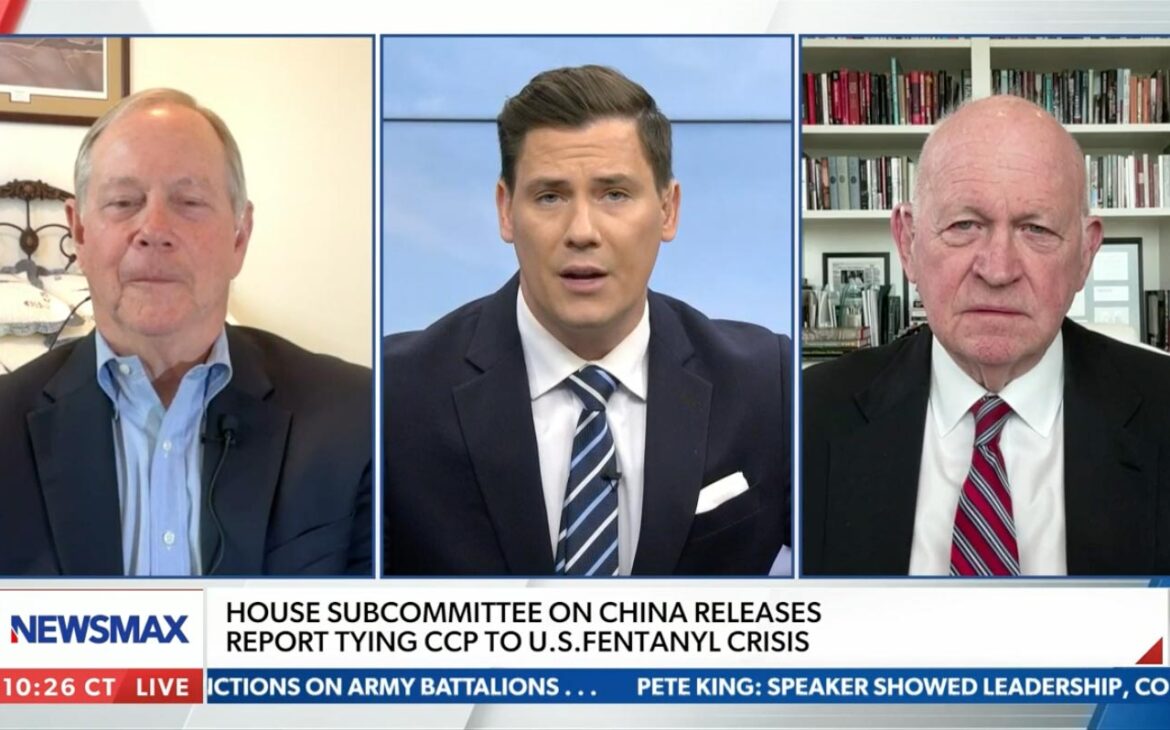
Newsmax – House Subcommittee On China Releases Report Tying CCP to U.S. Fentanyl Crisis
Bill Gertz and Michael Pillsbury – Newsmax – House Subcommittee On China Releases Report Tying
19Apr
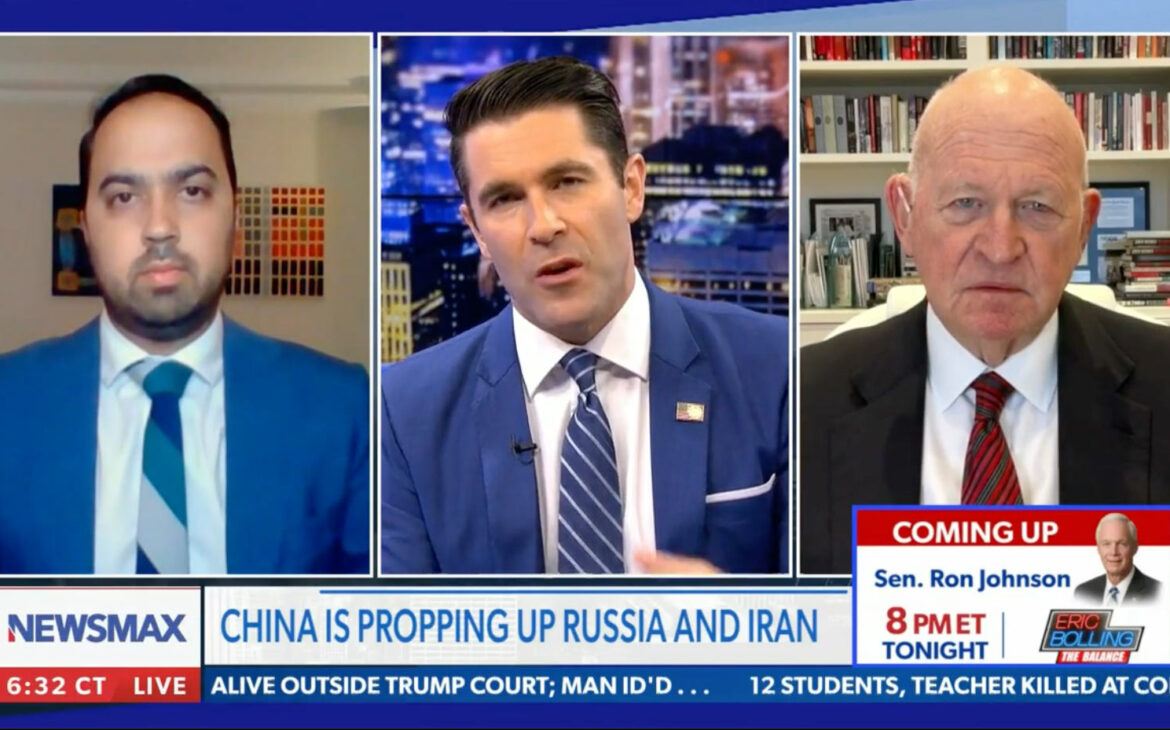
China Is Propping Up Russia and Iran
Michael Pillsbury on Rob Schmitt Tonight, Newsmax
08Apr

Israel sees enemies all around, is American support beginning to wobble?
Michael Pillsbury at Brian Kilmeade Show. Podcast. https://podcasts.apple.com/us/podcast/israel-sees-enemies-all-around-is-american-support/id219258773?i=1000651801658
07Apr
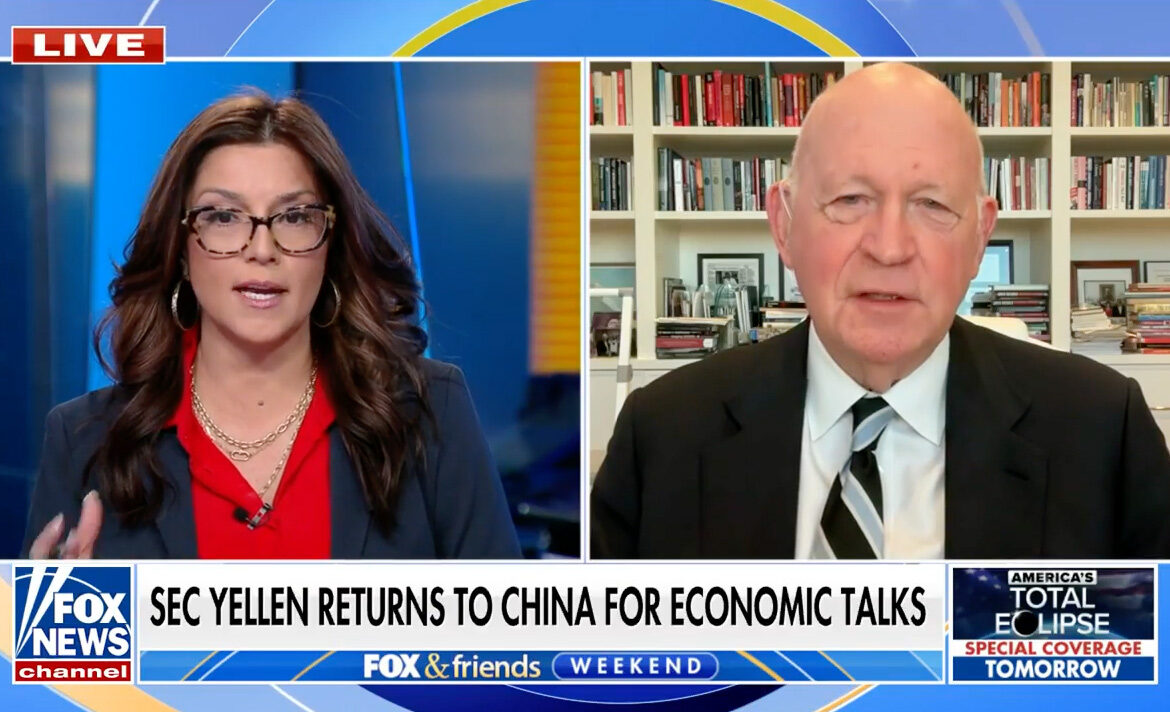
It is ‘very clear’ that China thinks Trump will win in 2024: Michael Pillsbury
Heritage Foundation senior fellow Michael Pillsbury breaks down the political implications of Secretary Yellen’s highly
03Apr
Terror in Taiwan – April 3rd, Hour 3, Sean Hannity
Michael Pillsbury, former Trump Advisor on China and now Senior Fellow for China Strategy at
15Feb
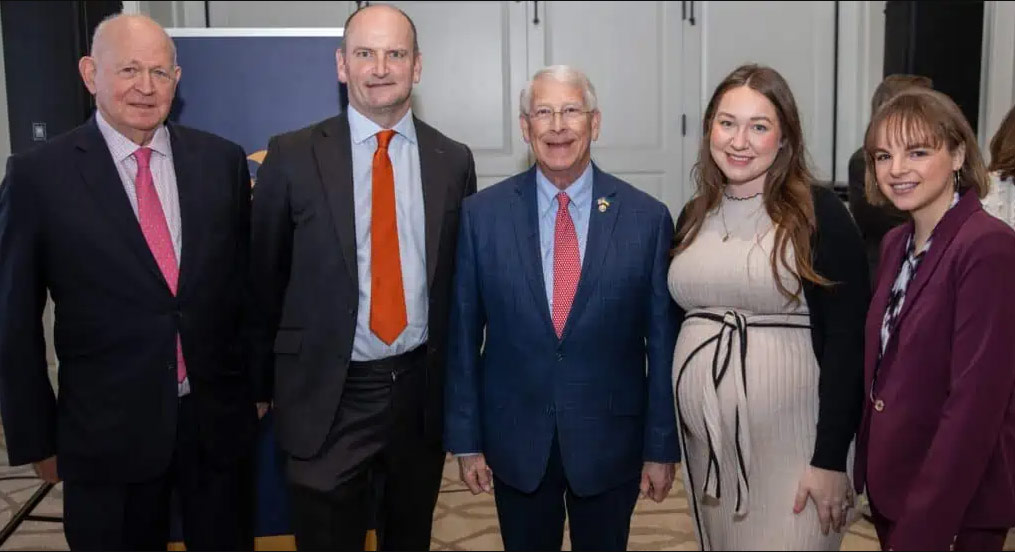
Spy Stories, Porcupines, and China: Is China a Threat – and How Do We Counter It?
The Mississippi Center for Public Policy teamed up with the Heritage Foundation to host a
03Feb
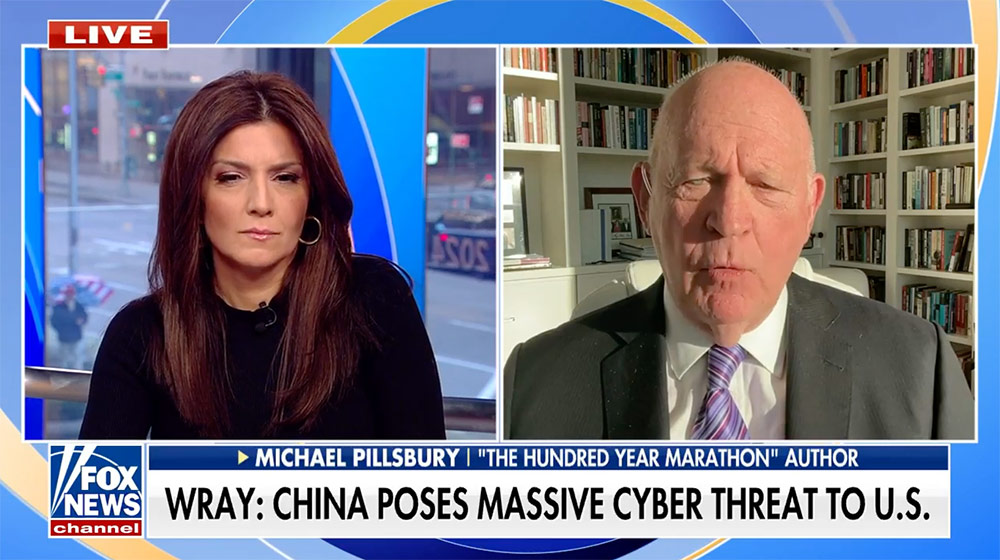
Michael Pillsbury warns China has placed ‘Trojan horses’ in US infrastructure
Heritage Foundation senior fellow Michael Pillsbury highlights the threat posed by China to the U.S.
30Jan
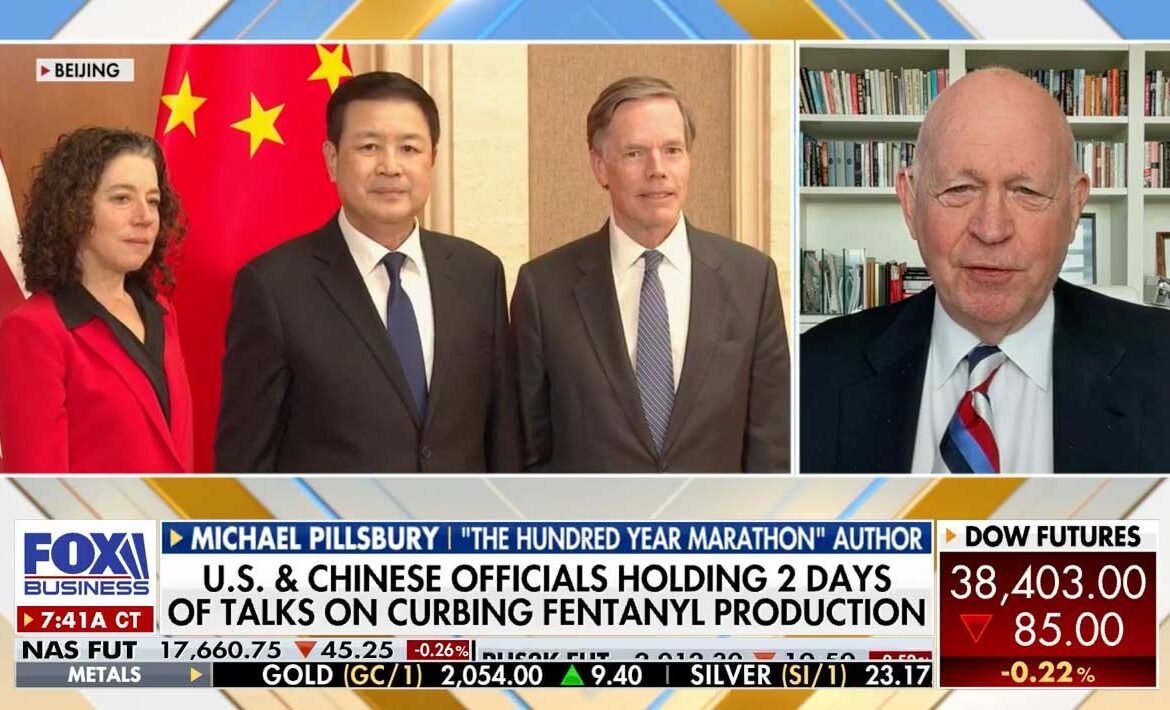
Media has ‘seen through’ Biden’s soft approach on China: Michael Pillsbury
Heritage Foundation senior fellow Michael Pillsbury reacts to U.S. and Chinese officials meeting in Beijing